

Sustainable Agriculture: Why Investors Are Backing Green Farms

The Sustainability Premium
Across global commodity markets, a striking pattern is emerging: produce grown using certified sustainable methods consistently commands premium prices. Supermarket chains, food processors, and export buyers increasingly require sustainability certifications as a condition of purchase. This market reality translates directly into higher farm revenue and, in turn, better returns for investors.
On the AgroFund platform, farms that have achieved organic certification, rainwater harvesting systems, or integrated pest management frameworks have historically delivered 8–14% higher per-unit prices than conventionally farmed equivalents.
Soil Health as a Long-Term Asset
Conventional farming that relies heavily on synthetic fertilizers and pesticides degrades soil health over time. Compaction, acidification, and biodiversity loss reduce yields and increase input costs in subsequent seasons. A farm that mines its soil today is, in financial terms, depreciating its core productive asset.
Green farming practices — cover cropping, composting, minimal tillage, and crop rotation — build soil organic matter and microbial diversity. AgroFund's agronomic team monitors soil health indicators on partnered farms to ensure capital is deployed to operations with improving, not declining, land quality.
Climate Risk Mitigation
Climate change has made agricultural investment risk more complex. Erratic rainfall, prolonged heat events, and pest migrations driven by shifting temperatures now affect crop calendars across the tropics and subtropics. Farms that have invested in climate adaptation — drought-resistant variety selection, irrigation infrastructure, agroforestry buffers — show significantly lower yield volatility in stress years.
When investors evaluate farm listings on AgroFund, they can review the farm's five-year production history alongside regional rainfall data. This transparency helps investors distinguish genuinely resilient farm operations from those with temporarily attractive returns.
The ESG Investment Imperative
Institutional and high-net-worth investors around the world are under increasing pressure to demonstrate ESG (Environmental, Social, and Governance) credentials in their portfolios. Agricultural investments through platforms like AgroFund offer a uniquely verifiable form of ESG exposure: you can literally see the crops growing, track water usage data, and measure the income uplift for farming families.
AgroFund provides investors with impact reports detailing carbon sequestration estimates, water use efficiency, and household income changes for each funded farm cycle. These reports can be used directly in investor ESG disclosures — a meaningful differentiator compared to broad ESG fund allocations.
Looking Ahead
The global demand for sustainably produced food will only intensify as population grows and resource constraints deepen. Investors who position themselves now in verifiably sustainable agricultural operations are not just doing the right thing — they are positioning ahead of a structural market shift that will revalue green farms above conventional ones. AgroFund is building the infrastructure to make that positioning accessible, transparent, and profitable.
More from AgroFund
Continue reading — more insights from the field and the platform.
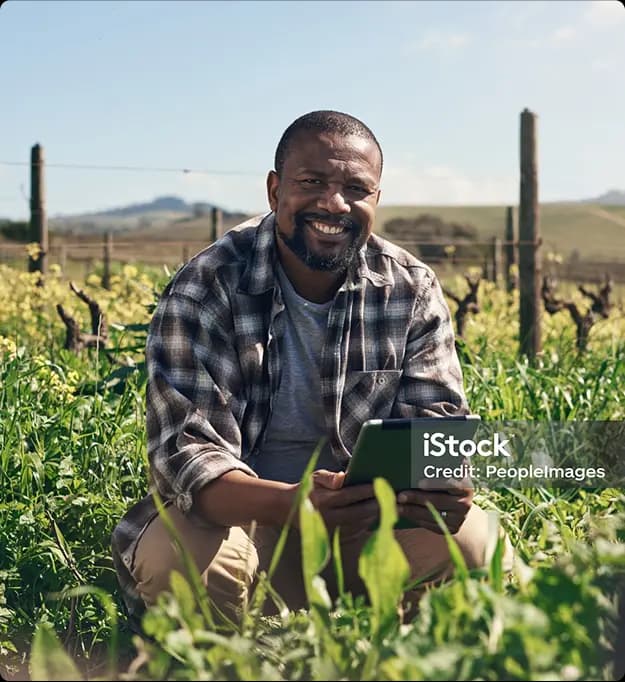
How AgroFund Connects Investors with Verified Farmers
AgroFund's technology-driven platform bridges the gap between urban investors and smallholder farmers, creating a new era of transparent, impact-driven agricultural financing.
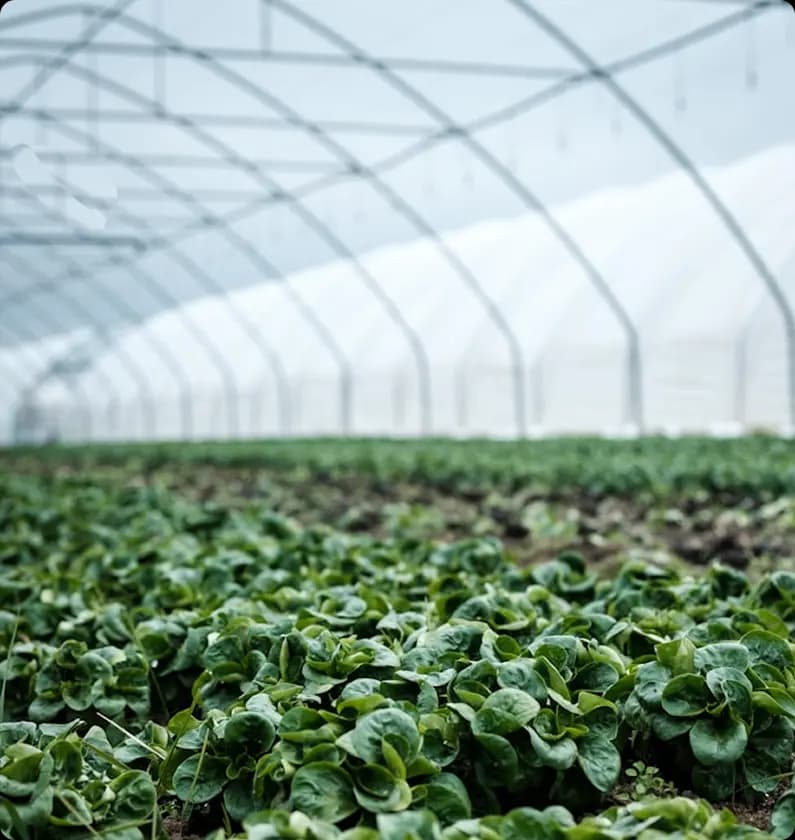
Understanding Return on Investment in Agricultural Platforms
How are agricultural investment returns calculated, and what factors drive them? A practical breakdown for new investors on the AgroFund platform.
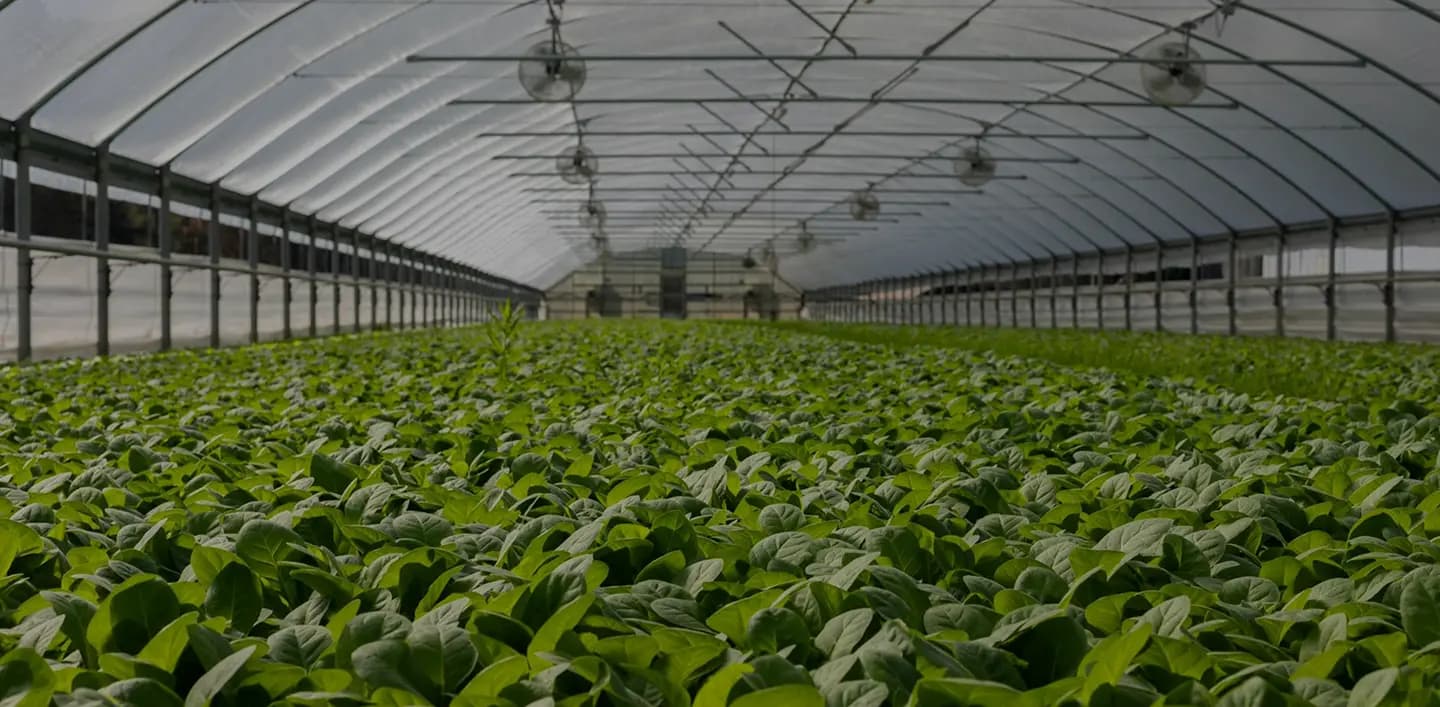
From Urban Investor to Rural Impact: A Beginner's Guide
You don't need to own land or know how to farm to invest in agriculture. Here's everything a first-time investor needs to know about joining AgroFund.