

Understanding Return on Investment in Agricultural Platforms
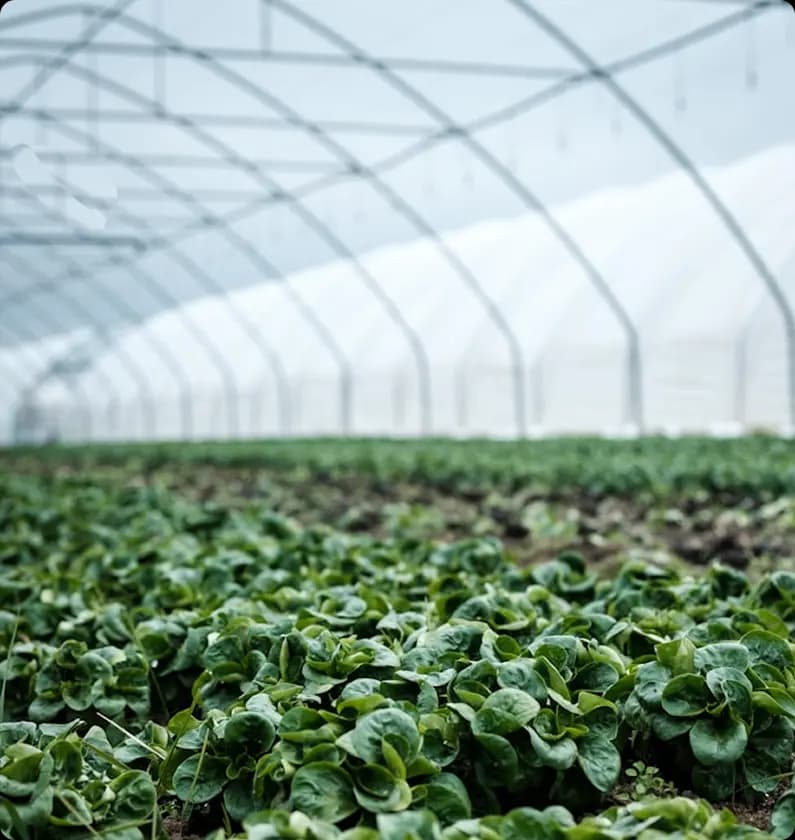
How Agricultural ROI Is Calculated
Unlike equity investments where returns come from share price appreciation and dividends, agricultural investment returns on platforms like AgroFund are primarily driven by production yield and commodity price. The basic formula is straightforward: Return = (Harvest Revenue − Operating Costs) × Investor Ownership Percentage.
Each farm listing on AgroFund specifies the projected yield per acre, the estimated commodity price at harvest, the total operating budget, and the share of profit allocated to investors. Projected returns are calculated from these inputs and expressed as an annualised percentage of capital invested.
The Key Return Drivers
Yield performance is the most controllable factor. AgroFund's partnered farms are selected for above-average agronomic management — farmer experience, input quality, irrigation access — to reduce yield variability. Farms with access to our satellite monitoring can catch stress events (waterlogging, pest pressure) early enough to intervene before they materially reduce output.
Commodity prices introduce inherent uncertainty, but AgroFund mitigates this through advance offtake agreements with buyers. Where a buyer has agreed to purchase the harvest at a minimum price, investors have a floor on their return even if market prices soften.
Operating cost management is where experienced farm operators genuinely add value. Bulk input purchasing, efficient labour scheduling, and low post-harvest losses all improve the net margin available for distribution. AgroFund's farm assessment team scores each operator on cost management history before listing.
Investment Horizons and Liquidity
Most crop investments on AgroFund align with a single growing season: typically three to nine months depending on the crop. Livestock investments — particularly cattle fattening or dairy operations — may carry 12–24 month horizons. Investors should match their investment horizon to their liquidity needs.
Upon harvest, investor payouts are processed within the platform and credited to investor wallets. Funds can then be reinvested into new farm listings or withdrawn. This cycle — invest, harvest, reinvest — allows investors who remain active on the platform to benefit from compound returns across multiple seasons.
Risk Factors to Understand
No investment is without risk. Agricultural investments face weather risk (drought, flood), biological risk (disease, pest), market risk (price volatility), and operational risk (farmer default or mismanagement). AgroFund addresses these through diversification tools (investors can spread capital across multiple farms and crop types), insurance partnerships on select listings, and a reserve fund that provides partial coverage on verified crop failures.
Investors are encouraged to review the full risk disclosure on each listing before committing capital and to build a diversified portfolio rather than concentrating in a single farm or season.
Making Your First Investment
New investors can start with modest allocations to understand how the platform works before scaling up. The onboarding process — KYC verification, wallet funding, listing selection — typically takes 48 to 72 hours. Once active, investors receive real-time production updates via their dashboard and notifications at key milestones: planting, mid-season growth assessments, and harvest confirmation.
More from AgroFund
Continue reading — more insights from the field and the platform.
How AgroFund Connects Investors with Verified Farmers
AgroFund's technology-driven platform bridges the gap between urban investors and smallholder farmers, creating a new era of transparent, impact-driven agricultural financing.
Sustainable Agriculture: Why Investors Are Backing Green Farms
Environmental sustainability is no longer just an ethical choice — it has become a core driver of investment returns. Here's why AgroFund's green-certified farms consistently outperform.
From Urban Investor to Rural Impact: A Beginner's Guide
You don't need to own land or know how to farm to invest in agriculture. Here's everything a first-time investor needs to know about joining AgroFund.